Thailand, known as the “Land of Smiles,” is a country that captivates visitors with its rich culture, stunning landscapes, and warm hospitality. While many are familiar with the bustling streets of Bangkok or the pristine beaches of Phuket, Thailand’s islands offer a unique opportunity for those seeking a more laid-back lifestyle. In this comprehensive guide, we’ll explore the top 5 islands to live in Thailand, each offering its own unique slice of paradise.
1. Koh Samui: Island Gem In The Gulf Of Thailand
Koh Samui, Thailand’s second-largest island, has long been a favorite among expats and digital nomads. Its perfect balance of modern amenities and natural beauty makes it an ideal choice for those looking to settle in Thailand. You may also be interested in my my article on the best times of year to visit Koh Samui.
Why Choose Koh Samui?
- Infrastructure: Koh Samui boasts well-developed infrastructure, including an international airport, making it easily accessible.
- Healthcare: The island has several high-quality hospitals and clinics, ensuring residents have access to good medical care.
- Diverse Communities: A thriving expat community means you’ll find it easy to make friends and network.
- Natural Beauty: From pristine beaches to lush jungles, Koh Samui offers stunning landscapes at every turn.
Best Areas to Live
- Chaweng: The island’s most popular area, offering a vibrant nightlife and beautiful beaches.
- Bophut: Known for its charming Fisherman’s Village and more relaxed atmosphere.
- Lamai: A quieter alternative to Chaweng, with a good balance of amenities and tranquility.
Cost of Living
Koh Samui can be more expensive than some other Thai islands, but it’s still affordable compared to many Western countries. Here’s a rough breakdown:
- Rent (1-bedroom apartment): 10,000 – 25,000 THB/month
- Utilities: 2,000 – 3,000 THB/month
- Food (eating out): 150 – 500 THB/meal
- Transportation: 2,000 – 5,000 THB/month (if renting a scooter)
Pros and Cons
Pros:
- Well-developed infrastructure
- Beautiful beaches and nature
- Strong expat community
- Good healthcare facilities
Cons:
- Can be more expensive than other Thai islands
- Busy during peak tourist seasons
- Some areas can feel overly commercialized
2. Phuket: The Pearl of the Andaman Sea
Phuket, Thailand’s largest island, offers a diverse range of experiences for those looking to call it home. From bustling tourist areas to quiet, secluded beaches, Phuket has something for everyone.
Why Choose Phuket?
- Size and Diversity: As a large island, Phuket offers various environments to suit different lifestyles.
- International Atmosphere: With residents from all over the world, Phuket has a cosmopolitan feel.
- Education: Several international schools make it an excellent choice for families.
- Connectivity: Regular flights to Bangkok and international destinations make travel convenient.
Best Areas to Live
- Kata and Karon: Beautiful beaches with a more relaxed vibe than Patong.
- Chalong: Popular among health-conscious expats, with many fitness centers and healthy cafes.
- Rawai: A laid-back area popular with long-term expats, offering a local feel.
Cost of Living
Phuket can be one of the more expensive places to live in Thailand, but costs vary greatly depending on your lifestyle:
- Rent (1-bedroom apartment): 12,000 – 30,000 THB/month
- Utilities: 2,500 – 4,000 THB/month
- Food (eating out): 180 – 600 THB/meal
- Transportation: 2,500 – 6,000 THB/month (if renting a car or scooter)
Pros and Cons
Pros:
- Wide range of amenities and services
- Beautiful beaches and scenery
- International community and schools
- Excellent healthcare facilities
Cons:
- Higher cost of living compared to other Thai islands
- Heavy traffic in some areas
- Overtourism in popular spots
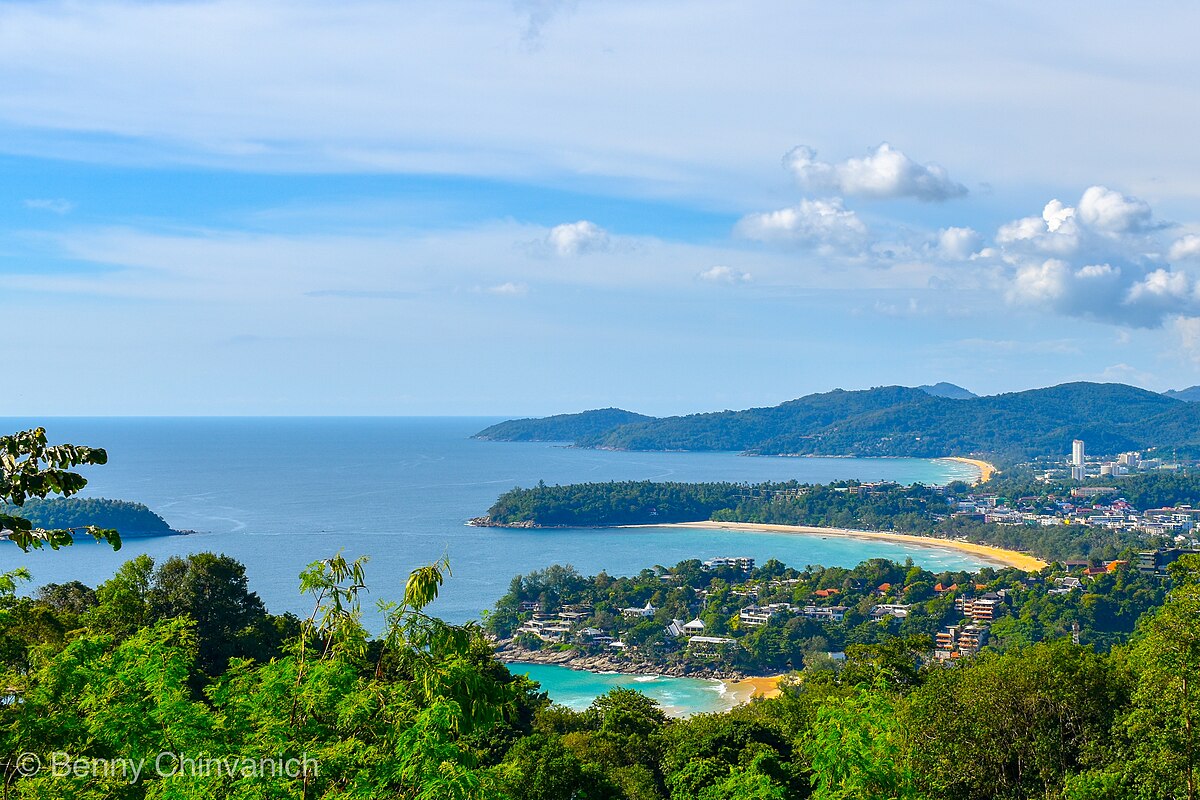
3. Koh Phangan: Health, Wellness, and Mindful Living
Koh Phangan, once known primarily for its famous Full Moon Parties, has evolved into a diverse island catering to various lifestyles. It’s become particularly popular among yoga enthusiasts, digital nomads, and those seeking a more spiritual way of life.
Why Choose Koh Phangan?
- Natural Beauty: Pristine beaches, lush jungles, and waterfalls abound.
- Wellness Focus: Numerous yoga retreats, meditation centers, and health-focused cafes.
- Digital Nomad Friendly: Growing coworking spaces and a community of remote workers.
- Laid-back Atmosphere: A more relaxed vibe compared to busier islands like Samui or Phuket.
Best Areas to Live
- Thong Sala: The main town, offering a mix of local life and expat amenities.
- Srithanu: Known as the “wellness village,” popular among yogis and health enthusiasts.
- Haad Yao: A beautiful beach with a growing expat community.
Cost of Living
Koh Phangan is generally more affordable than Samui or Phuket:
- Rent (1-bedroom apartment): 8,000 – 20,000 THB/month
- Utilities: 1,500 – 3,000 THB/month
- Food (eating out): 120 – 400 THB/meal
- Transportation: 1,500 – 3,000 THB/month (if renting a scooter)
Pros and Cons
Pros:
- Strong focus on wellness and spirituality
- Beautiful, less-developed beaches
- Growing digital nomad community
- More affordable than some other popular islands
Cons:
- Limited healthcare facilities (serious cases may require transfer to Koh Samui)
- Fewer international school options
- Can feel isolated during low season
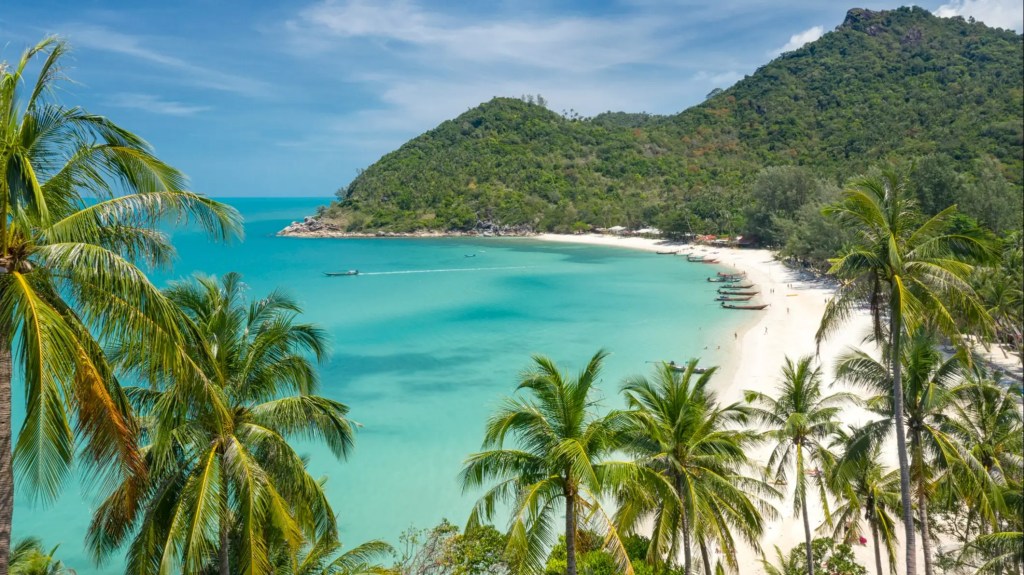
4. Koh Tao: Diver’s Paradise and Laid-Back Living
Koh Tao, known worldwide as a diving mecca, has also become a popular spot for long-term residents seeking a slower pace of life. Its small size fosters a close-knit community feel, making it easy to integrate and make friends.
Why Choose Koh Tao?
- World-class Diving: Some of the best and most affordable diving in the world.
- Tight-knit Community: A small island where it’s easy to become part of the local scene.
- Natural Beauty: Stunning beaches and viewpoints, with less development than larger islands.
- Affordable Living: Generally lower cost of living compared to more touristy islands.
Best Areas to Live
- Mae Haad: The main pier area, offering a mix of convenience and beach life.
- Sairee Beach: The most popular area, with a good balance of amenities and natural beauty.
- Chalok Baan Kao: A quieter area in the south, popular with long-term residents.
Cost of Living
Koh Tao is one of the more affordable options for island living in Thailand:
- Rent (1-bedroom apartment): 7,000 – 18,000 THB/month
- Utilities: 1,500 – 2,500 THB/month
- Food (eating out): 100 – 350 THB/meal
- Transportation: 1,500 – 2,500 THB/month (if renting a scooter)
Pros and Cons
Pros:
- World-renowned diving and snorkeling
- Close-knit expat community
- More affordable than larger islands
- Beautiful, less-developed beaches
Cons:
- Limited healthcare facilities
- Fewer amenities compared to larger islands
- Can feel small for some people after a while
- Limited transportation options to and from the island

5. Koh Lanta: Tranquil Living with a Touch of Luxury
Koh Lanta, located in the Andaman Sea, has gained popularity in recent years as a more laid-back alternative to busier islands. It offers a perfect blend of natural beauty, local culture, and modern amenities, making it an attractive option for those seeking a quieter island life.
Why Choose Koh Lanta?
- Relaxed Atmosphere: Less crowded and more peaceful than many other Thai islands.
- Cultural Diversity: A mix of Thai, Chinese, and Sea Gypsy cultures creates a unique local flavor.
- Natural Beauty: Long stretches of beaches, mangrove forests, and a national park.
- Growing Expat Scene: An increasing number of foreigners are choosing Koh Lanta as their home.
Best Areas to Live
- Long Beach (Phra Ae): A long stretch of beautiful beach with a good balance of amenities.
- Klong Dao: Close to the main town, offering convenience and beautiful sunsets.
- Klong Nin: A quieter area popular with long-term residents, with a beautiful beach.
Cost of Living
Koh Lanta offers good value for money, with costs generally lower than Phuket or Samui:
- Rent (1-bedroom apartment): 8,000 – 22,000 THB/month
- Utilities: 1,500 – 3,000 THB/month
- Food (eating out): 120 – 400 THB/meal
- Transportation: 1,500 – 3,000 THB/month (if renting a scooter)
Pros and Cons
Pros:
- Relaxed, laid-back atmosphere
- Beautiful, less crowded beaches
- Growing expat community
- Good balance of local culture and modern amenities
Cons:
- Limited healthcare facilities (serious cases may require transfer to the mainland)
- Fewer international school options
- Can be very quiet during low season
- Less developed infrastructure compared to larger islands

Wrapping It Up: Choosing The Right Island For You
Choosing the right Thai island to call home depends on your personal preferences, lifestyle, and priorities. Each of these top 5 islands offers a unique experience:
- Koh Samui: Perfect for professionals seeking a balance of modern amenities and natural beauty.
- Phuket: Ideal for those who want a more urban island experience with an international community.
- Koh Phangan: Great for wellness enthusiasts and digital nomads seeking a spiritual vibe.
- Koh Tao: A diver’s paradise with that close-knit community feel.
- Koh Lanta: Offers a more relaxed, culturally rich experience with growing expat appeal.
Remember that while these islands offer incredible lifestyles, living in Thailand comes with its own set of challenges. It’s essential to research thoroughly, visit your chosen island (preferably during different seasons), and connect with expats already living there before making the big move. You can also read my guide to moving abroad to Thailand or watch the full video on YouTube below.
Ultimately, each of these Thai islands offers a chance to live in paradise, surrounded by stunning natural beauty and rich culture. Whether you’re seeking adventure, relaxation, or a complete lifestyle change, Thailand’s islands have something to offer everyone. So pack your bags, embrace the Thai way of life, and get ready for an unforgettable island living experience!
Any questions? Schedule a consultation call on my website here.
Did You Enjoy Reading This Article? Donate Now To Support Me!
Make a one-time donation
Make a monthly donation
Make a yearly donation
Choose an amount
Or enter a custom amount
Your contribution is appreciated.
Your contribution is appreciated.
Your contribution is appreciated.
DonateDonate monthlyDonate yearly
Leave a comment